Source Portable Waterproof LED Working Light for Camping, Fishing, Hiking
Compare 30 portable waterproof LED working light options featuring customizable designs, various power sources including solar and DC, and certifications like CE and RoHS. Buyers can evaluate specifications such as IP65 ratings, LED chip brands, and working hours to find suitable units for outdoor and emergency applications.
Key considerations
Products List


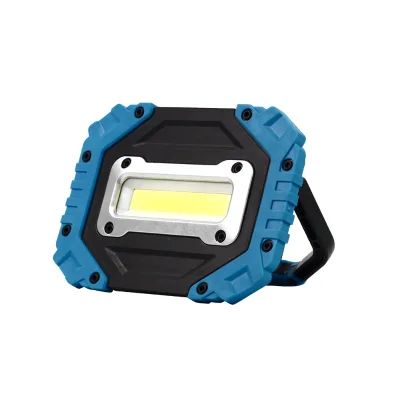


Comprehensive Sourcing Guide
Strategic Sourcing Guide for Portable Waterproof LED Working Lights
Understanding Technical Specifications and Performance Metrics
When sourcing portable waterproof LED working lights, buyers must first distinguish between the diverse technical configurations available in the current market. The product landscape for this core keyword is not monolithic; it encompasses a spectrum of power sources, materials, and optical outputs. Based on observed market data, the primary material construction for these units often involves Die-Cast Aluminum or Steel, chosen for their durability in harsh environments. Die-Cast Aluminum is frequently cited for its ability to dissipate heat efficiently while maintaining a lightweight profile, which is critical for portable applications. Conversely, Steel variants offer robust structural integrity, often found in heavier-duty industrial units.
The optical performance is another critical dimension. Buyers should verify the LED chip specifications, as the market features a mix of SMD 2835 chips and other configurations. The emitting color spectrum ranges from standard white light with a Color Temperature (CCT) spanning 2700K to 6500K, allowing for customization based on the specific task environment. For applications requiring color versatility, RGB options are available, utilizing specific LED chips such as Bridgelux. The luminous efficiency is a key metric for energy-conscious procurement; observed data indicates efficiencies reaching up to 170lm/W, a figure that significantly impacts battery life in solar or battery-operated units. Furthermore, the Color Rendering Index (CRI) should be verified, with a baseline expectation of Ra > 80 to ensure accurate color perception in work zones.
Power delivery systems vary significantly between models. Some units operate on DC voltage, while others are designed for AC input, necessitating a clear understanding of the intended power source before ordering. A growing segment of the market utilizes Solar Power, integrating high-efficiency polycrystalline solar panels to charge internal LiFePO4 batteries. In these solar configurations, the charging time is a vital operational parameter, with observed ranges typically falling between 5 to 8 hours. The battery capacity directly influences the working hours, with some high-performance units claiming up to 50,000 hours of operational life. The physical dimensions also vary, with standard profiles ranging from compact 155x40x20mm units to larger floodlights measuring 225x281x56cm, depending on the required beam spread and mounting requirements.
Compliance, Certification, and Safety Standards
Navigating the regulatory landscape is essential for ensuring that imported LED working lights meet safety and environmental requirements in the destination market. The most frequently observed certifications in the current supply base include CE, EMC, and RoHS. These marks indicate compliance with European Union directives regarding electromagnetic compatibility and the restriction of hazardous substances. For buyers targeting broader international markets, ISO certification is also a common attribute among reputable manufacturers, signaling a commitment to quality management systems.
The IP Rating is perhaps the most critical technical specification for "waterproof" claims. The market data highlights an IP65 rating as a standard benchmark for outdoor portable lights. This rating confirms that the unit is dust-tight and protected against water jets from any direction. However, buyers must exercise caution, as the term "waterproof" is often used loosely in marketing. It is imperative to verify the specific IP grade listed in the product documentation rather than relying on general descriptions. Some units may claim "Outdoor Waterproof" status without a specific numerical rating, which requires further inquiry to confirm the actual ingress protection level.
Temperature tolerance is another compliance-adjacent factor that affects reliability. The working temperature range for these lights is typically specified between -20°C and +50°C. This range ensures functionality in extreme cold or heat, which is common in camping, hiking, and emergency scenarios. Additionally, the Power Factor (PF) is a technical metric that impacts grid efficiency for AC-powered units. A PF greater than 0.9 is a standard indicator of high-quality driver design, minimizing energy waste and reducing strain on the electrical grid. Buyers should request test reports or datasheets that explicitly confirm these values, as they are not always guaranteed across all product listings.
Cost Drivers and Pricing Structures
The pricing for portable waterproof LED working lights is influenced by a complex interplay of material costs, technological complexity, and customization requirements. The observed price range in the market is substantial, spanning from $2 to $1,400 USD. This wide variance reflects the difference between basic, low-wattage magnetic base lights and high-end, solar-powered floodlights with advanced battery management systems. The unit weight, observed at approximately 131.8g for certain models, suggests that lighter units may be priced lower due to reduced material usage, though this is not a strict rule given the premium cost of high-efficiency LEDs and batteries.
Customization is a significant cost driver. The market data indicates that customization is available for various attributes, including logos, packaging, and potentially specific technical configurations. Units with "Custom Logo Acceptable" features or "Customize" packing options often carry a premium or require a higher Minimum Order Quantity (MOQ). The MOQ range observed is broad, from 1 unit to 5,000 units. This flexibility allows small businesses to test the market with low-volume orders, while large-scale procurement can leverage economies of scale to reduce the per-unit cost. However, buyers should be aware that lower MOQs may result in higher per-unit pricing.
The inclusion of advanced features such as solar panels, LiFePO4 batteries, and multi-function switch modes also elevates the cost. A unit described as a "LiFePO4 Battery Work Light" with a 50W power rating and high-efficiency solar panel will naturally command a higher price point than a simple DC-powered SMD light. The warranty period, often cited as 3 years for higher-end models, is another factor that influences pricing, as it reflects the manufacturer's confidence in the product's longevity and their willingness to absorb potential replacement costs.
Typical Applications and Usage Scenarios
The versatility of portable waterproof LED working lights makes them suitable for a wide array of applications, from recreational activities to critical industrial operations. The primary usage categories identified in the market include camping, fishing, emergency response, and hiking. These outdoor activities demand lights that are rugged, portable, and capable of operating independently of grid power. Solar-powered models with LiFePO4 batteries are particularly well-suited for these scenarios, offering extended autonomy and the ability to recharge during daylight hours.
In industrial and automotive contexts, these lights serve as essential tools for maintenance and safety. The "Car, Boat, Emergency Lighting" usage tags indicate their role in vehicle maintenance, marine operations, and disaster relief. The magnetic base feature found in some models, such as the "Magnetic Base Light Flexible LED," allows for hands-free operation in tight spaces, which is invaluable for mechanics and field technicians. The "Super Bright Outdoor LED Flood Light" type is designed for illuminating large areas, making it ideal for construction sites, search and rescue operations, and temporary work zones.
The "Lighting and Circuitry Design" service offered by some suppliers suggests that these lights can be integrated into larger systems or customized for specific industrial needs. This level of service is particularly relevant for buyers requiring tailored solutions for unique environments. The "Foldable Work Light" attribute further enhances portability, allowing the unit to be compacted for transport and expanded for use, a feature highly valued by hikers and emergency responders who need to minimize gear bulk.
Supplier Evaluation and Selection Criteria
Selecting the right supplier requires a rigorous evaluation process that goes beyond the initial product listing. Buyers should prioritize suppliers who provide transparent technical data and clear certification documentation. The presence of certifications like CE, RoHS, and ISO should be verified through official documentation rather than assumed from the product title. Suppliers who offer "Lighting and Circuitry Design" services demonstrate a higher level of technical capability and are better positioned to support complex procurement needs.
The origin of the products is a key factor, with China being the primary production hub for the observed data. While this offers access to a vast supply chain, buyers must ensure that the supplier has a robust quality control infrastructure to maintain consistency. The "Customization" availability is a positive indicator of a flexible manufacturing process, but it also requires clear communication regarding timelines and costs. Buyers should assess the supplier's ability to handle the observed MOQ range, ensuring they can meet the specific volume requirements of the procurement.
Warranty terms are a critical differentiator in supplier selection. A 3-year warranty is a strong indicator of supplier confidence and product reliability. Buyers should scrutinize the terms of this warranty, including coverage for battery degradation, LED failure, and water ingress. The "Switch Mode" and "Function Shift" capabilities, such as the 4-functions observed in some models, should be tested to ensure they meet the operational requirements of the end-user. Finally, the packaging method, whether standard "Carton" or "Customize," should be evaluated to ensure the product arrives in optimal condition, especially given the fragile nature of electronic components.
Quality Control and Long-Term Procurement Considerations
Implementing a robust quality control (QC) strategy is essential for mitigating risks associated with electronic procurement. Given the wide range of observed specifications, from 50W solar units to basic 2W magnetic lights, a one-size-fits-all QC approach is insufficient. Buyers should establish specific acceptance criteria based on the product's intended use. For waterproof units, random sampling for IP65 verification is mandatory. This may involve water jet testing to confirm the seal integrity, ensuring that the "Outdoor Waterproof" claims are substantiated.
Long-term procurement considerations extend beyond the initial purchase to include supply chain stability and after-sales support. The "Working Hours" of 50,000 hours for LED chips suggest a long lifespan, but the actual longevity depends on the quality of the driver and thermal management. Buyers should request thermal imaging data or heat dissipation test results to verify that the Die-Cast Aluminum housing effectively manages heat, preventing premature LED failure. The "Charging Time" of 6-8 hours for solar units should be validated under real-world conditions, as manufacturer claims may be based on ideal laboratory settings.
Sustainability is also becoming a critical factor in long-term sourcing. The use of high-efficiency polycrystalline solar panels and LiFePO4 batteries aligns with global trends toward energy efficiency and reduced carbon footprints. Buyers should inquire about the recyclability of components and the disposal protocols for end-of-life batteries. The "Power Factor" of >0.9 is another sustainability metric, indicating energy-efficient design that reduces waste. By focusing on these long-term factors, buyers can ensure that their procurement strategy supports both operational efficiency and environmental responsibility, securing a reliable supply of high-performance portable waterproof LED working lights for years to come.
FAQs
What certifications do portable waterproof led working lights typically have?
These lights typically carry CE, EMC, RoHS, and ISO certifications. Buyers should verify these marks in product documentation to ensure compliance with safety and environmental standards for international markets.
Which material is best for durable portable led work lights?
Die-cast aluminum is the preferred material for durability and heat dissipation. Steel is also used for heavier-duty industrial units, offering robust structural integrity in harsh environments.
Can these lights operate in extreme cold or heat conditions?
Yes, most units function within a working temperature range of -20 to +50 degrees Celsius. This range ensures reliability for outdoor camping, hiking, and emergency scenarios in varying climates.
How long do the LED chips typically last in these lights?
High-performance units often claim up to 50,000 hours of working hours. This longevity depends on the quality of the driver and thermal management systems integrated into the design.
What is the standard IP rating for waterproof outdoor lights?
The standard benchmark is an IP65 rating, confirming dust-tight protection and resistance to water jets. Buyers must verify specific ratings rather than relying on general waterproof claims.
How does solar power affect the charging time of these lights?
Solar-powered models typically require 5 to 8 hours for a full charge using high-efficiency polycrystalline panels. Charging time depends on sunlight intensity and the specific battery capacity of the unit.